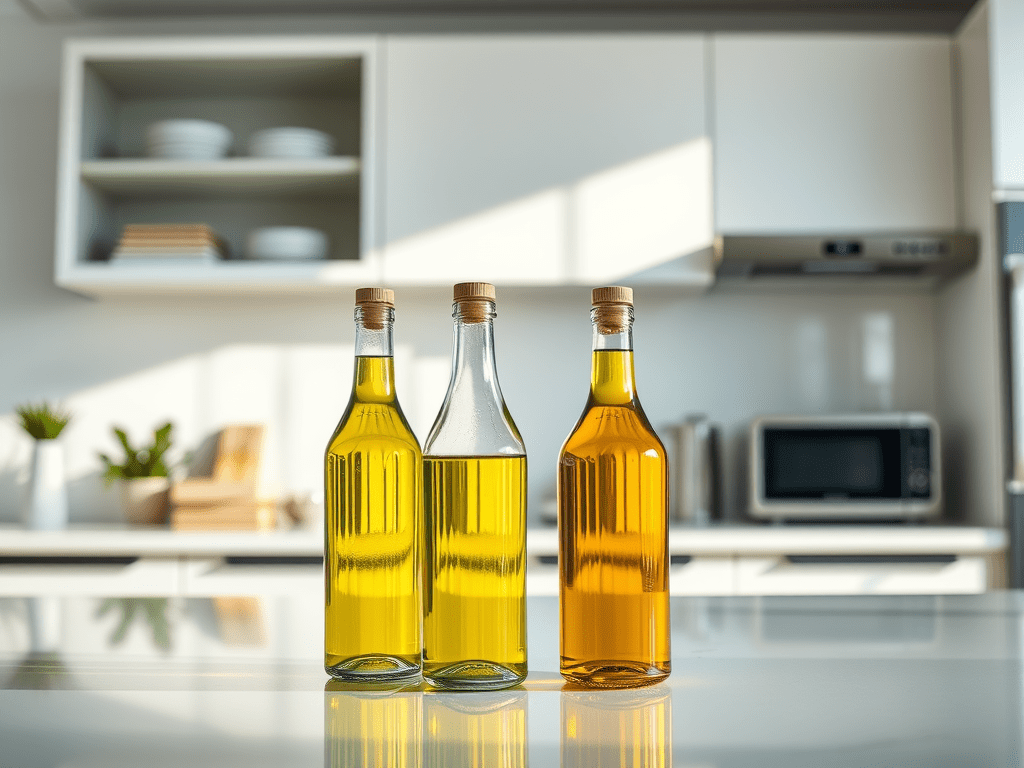
If you live in the U.S., seeds oils are likely a significant part of your diet, even if you’re not aware of it. The most common seed oils are soybean, corn, canola, sunflower, grapeseed, safflower, and peanut. They are low cost, have a long shelf life and a neutral flavor. Seed oils are found in almost every restaurant and pre-packaged food at the grocery store. Anything with more than one ingredient, from salad dressings and prepared meats to cereals, likely contains seed oils.
Are seed oils slowly poisoning us?
In large quantities, potentially. Seed oils are exceptionally high in omega-6 fatty acids. Your body needs some omega-6, but overconsumption of seed oils can cause an imbalance and lead to chronic inflammation. Another concern is the way that seed oils are refined. They’re bleached, deodorized and stripped of naturally occurring antioxidants. This harsh treatment and high heat exposure can leave behind toxic compounds such as free radicals and carcinogens.
My take on seed oils
Our bodies have an inflammatory response to the carcinogens, toxins and high omega-6 levels that come with seed oil consumption. Chronic inflammation can increase your risk of metabolic diseases, cancer, Type 2 diabetes, neurodegenerative diseases, heart problems and autoimmune diseases. The list goes on.
With that being said, an all or nothing approach to wellness isn’t sustainable. My advice: Avoid seed oils when you can, but it’s not the end of the world if you eat them in small quantities and infrequently.
Read your labels and choose products that do not contain seed oils, or at least list it as the last ingredient. Ask restaurants what oils they use to prepare meats, vegetables and dressings to make an informed decision about your order. But let’s be real, dining out is often about more than just the food. Focus on relaxing, connecting with others and treating yourself to a delicious meal. Don’t let a teaspoon of seed oil steal your joy.
The bottom line
In the current American food system, seed oils can be incredibly hard to avoid if you buy any pre-packaged food at the grocery store or dine at a restaurant. Intuitively, we know what foods make us feel our best. Trust yourself to make healthy choices, but embrace the occasional indulgence as part of a balanced lifestyle. On road trips, I love an In n Out burger with a side of fries soaked in sunflower oil. I order it protein style and ask for extra sauce, which is laden with soybean oil. I don’t eat this frequently, but I savor the experience when I do.
Many people are waking up and asking the question, “What’s really in my food?” With increased consumer awareness, I anticipate change is coming. For now, stay educated and make the best choices for your health with the resources available. Be proactive and an advocate for your own well-being.
Do you find yourself routinely eating out at restaurants and buying pre-made foods? I get it, we’re all busy and it’s convenient. I use a weekly meal planner to plan out every meal for the week and easily build my grocery shopping list. I rarely find myself in a pinch where I need to eat restaurant food or pre-made meals for the sake of convenience. Planning out my weekly meals benefits both my wallet and my health, allowing me to be more intentional with my indulgences. This is the meal planner that keeps me on track.




 Howe to Health
Leave a comment