
Did you know that many conventional clothing items can contain harmful chemicals? From pesticides used in cotton farming to toxic dyes, our clothes can expose us to harsh substances that disrupt our hormones, irritate our skin and even pollute our waterways.
We meticulously scrutinize food labels for artificial ingredients, preservatives, dyes and unsustainable farming practices. Why are we not holding our clothes to the same standard? This guide will empower you to effectively read your clothing labels and build a wardrobe that’s both stylish and non-toxic.
What to Look for
“Non-toxic” clothing generally refers to garments made with materials and processes that minimize exposure to harmful chemicals. Here’s what to look for:
Natural Fibers:
- Organic Cotton: Grown without pesticides and fertilizers.
- Hemp: Durable, breathable, and naturally pest-resistant.
- Linen: Strong, absorbent, and biodegradable.
- Wool: Naturally flame-resistant and moisture-wicking.
- Silk: Soft, luxurious, and hypoallergenic.
Certifications:
- GOTS (Global Organic Textile Standard): Ensures that organic fibers are used throughout the entire textile production process.
- OEKO-TEX Standard 100: Tests for harmful substances in all stages of textile production.
What to Avoid
- Conventional Cotton: Often grown with pesticides and genetically modified.
- Synthetic Fabrics: Like polyester, nylon, and acrylic, which are derived from petroleum and can release microplastics.
- Dyes and Finishes: Be wary of brightly colored clothing, as some dyes may contain heavy metals or other harmful chemicals.
Tips for Choosing Non-Toxic Clothes
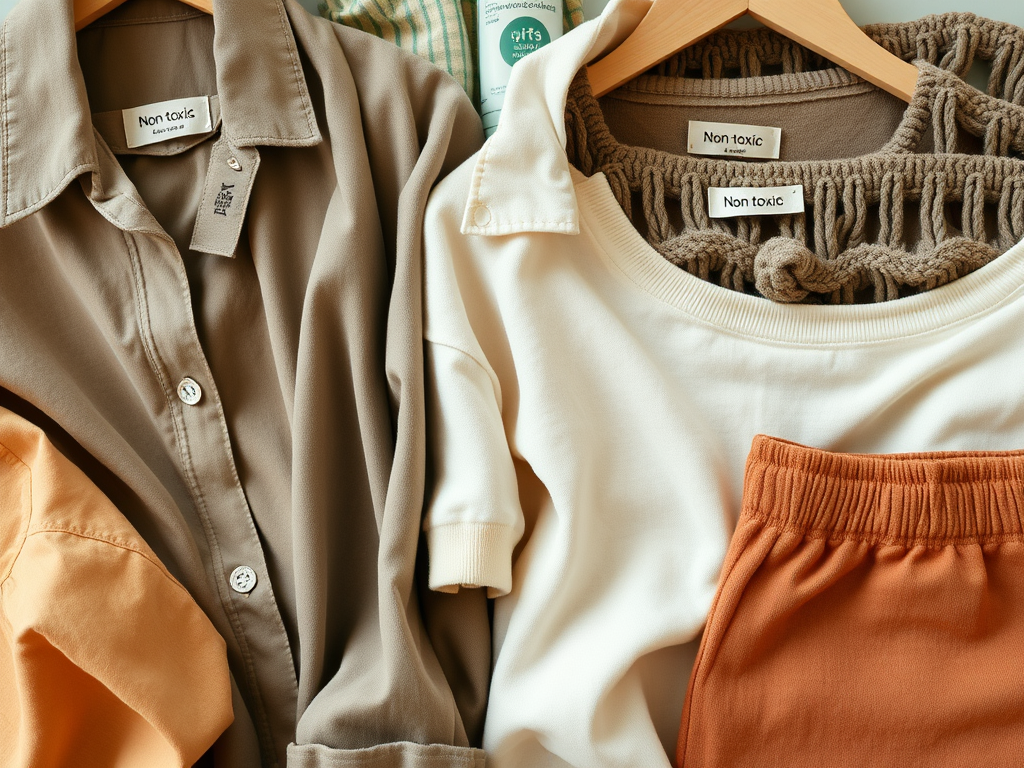
- Read labels carefully: Look for information about materials, certifications, and care instructions.
- Wash new clothes before wearing them. This helps remove any residual chemicals.
- Air dry whenever possible to reduce the risk of chemical exposure from dryer sheets.
- Buy less, and spend more on what you do purchase to fill your wardrobe with high quality, well-made pieces.
The bottom line
Imagine a wardrobe that not only looks good, but feels good. Choosing non-toxic clothing is a simple yet powerful step towards a healthier lifestyle. By making conscious choices about the items you buy and wear, you can minimize your exposure to harmful chemicals and support more sustainable and ethical fashion practices.




 Howe to Health
Leave a comment