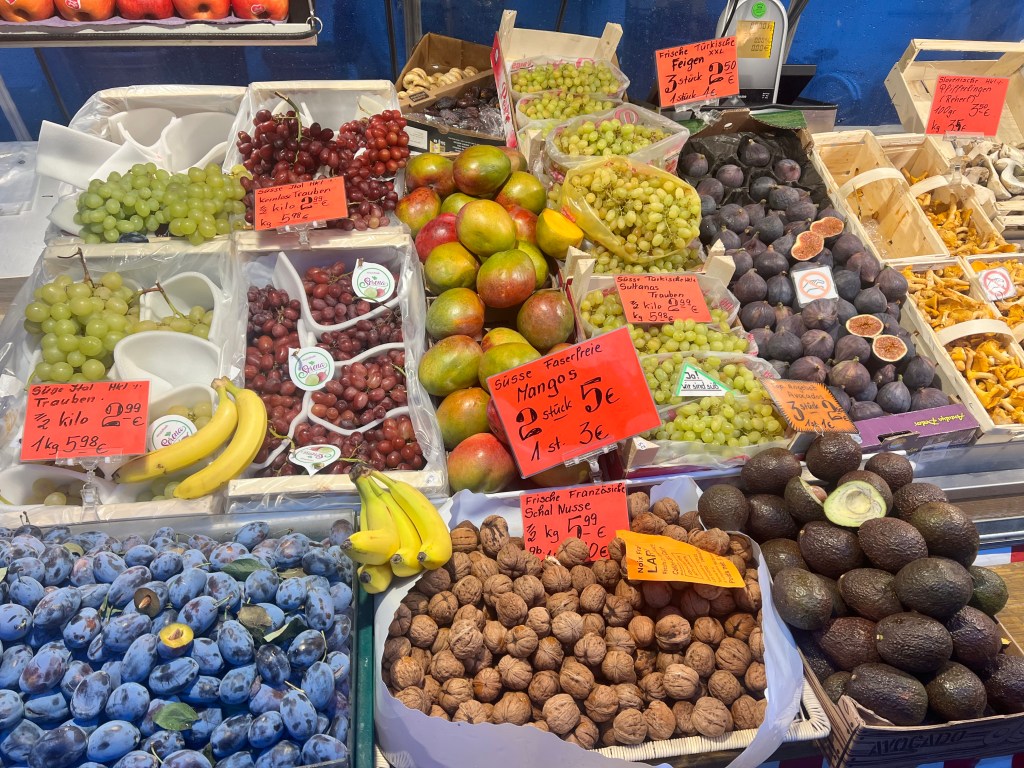
Why You Should Eat with the Seasons
Eating with the seasons has a wide range of benefits to your health, the environment and your community. Fruits and vegetables are more vibrant and nutrient dense during their peak harvest season. When food is stored for long periods time, the nutritional value and vitamins degrade. Shopping for in-season produce is more sustainable and often more affordable as it allows us to support local farmers and foster a sense of community.
When we prioritize seasonal produce, our body syncs with the natural growing seasons and we build a connection with our food and environment. Have you noticed yourself craving hearty soups in the winter or a refreshing stone fruit salad in the summer? There’s an evolutionary aspect to this. Our bodies need specific nutrients as the weather changes. Food is medicine, and eating with the seasons is a simple and mindful way to optimize how your food works for you.
Reference this seasonal produce guide the next time you’re making a grocery list, heading to the farmer’s market or planning your meals for the week.
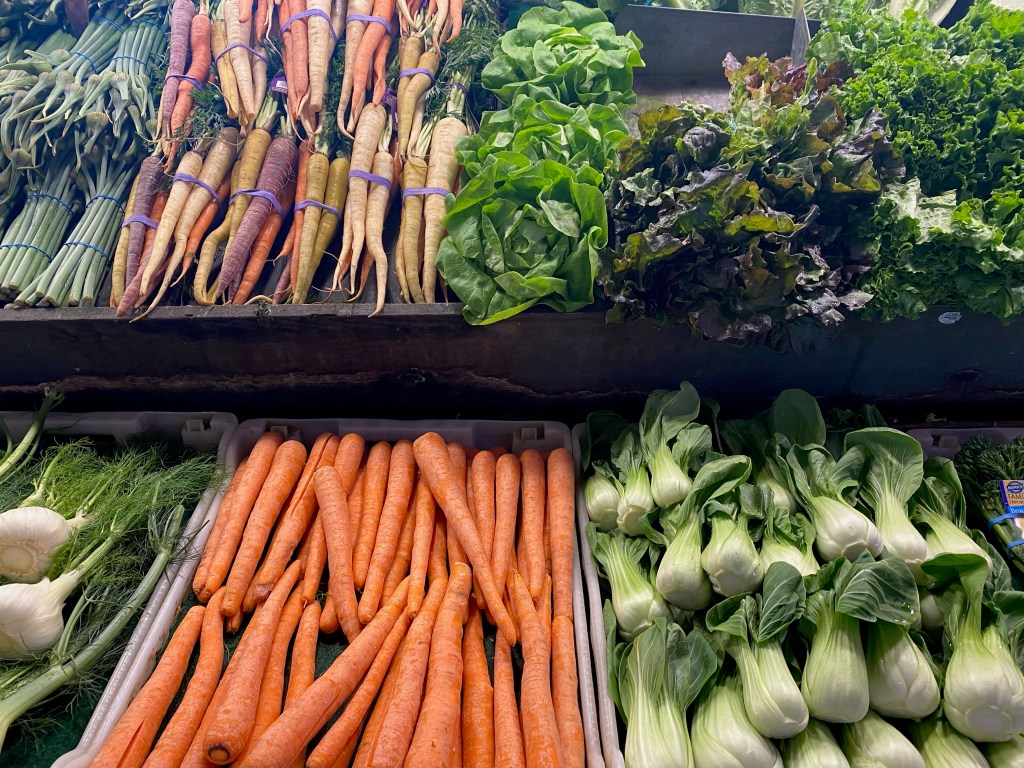
Winter
- Asparagus
- Beets
- Blood Oranges
- Broccoli
- Brussels sprouts
- Celery
- Collard Greens
- Grapefruit
- Kale
- Key Limes
- Oranges
- Pomegranates
- Rutabagas
- Swiss Chard
- Turnips
- Winter squash
Spring
- Artichokes
- Basil
- Onions
- Peas
- Radishes
- Rhubarb
- Spinach
- Spring greens
- Turnips
- Watercress
Summer
- Apricots
- Bell Peppers
- Blackberries
- Blueberries
- Cantaloupe
- Cherries
- Cucumbers
- Eggplant
- Honeydew
- Mangos
- Peaches
- Plums
- Raspberries
- Summer Squash
- Tomatoes
- Watermelon
- Zucchini
Fall
- Acorn Squash
- Apples
- Butternut Squash
- Cabbage
- Cranberries
- Figs
- Ginger
- Grapes
- Green Beans
- Kale
- Mushrooms
- Pears
- Pumpkin
- Rutabagas
- Spaghetti Squash
- Sweet Potatoes
Year-Round
- Carrots
- Potatoes
- Lemons
- Snowpeas
- Coconut
- Bananas
- Garlic
Images source: Madison Hahn, @maddieeeats on Instagram

 Howe to Health
Leave a comment