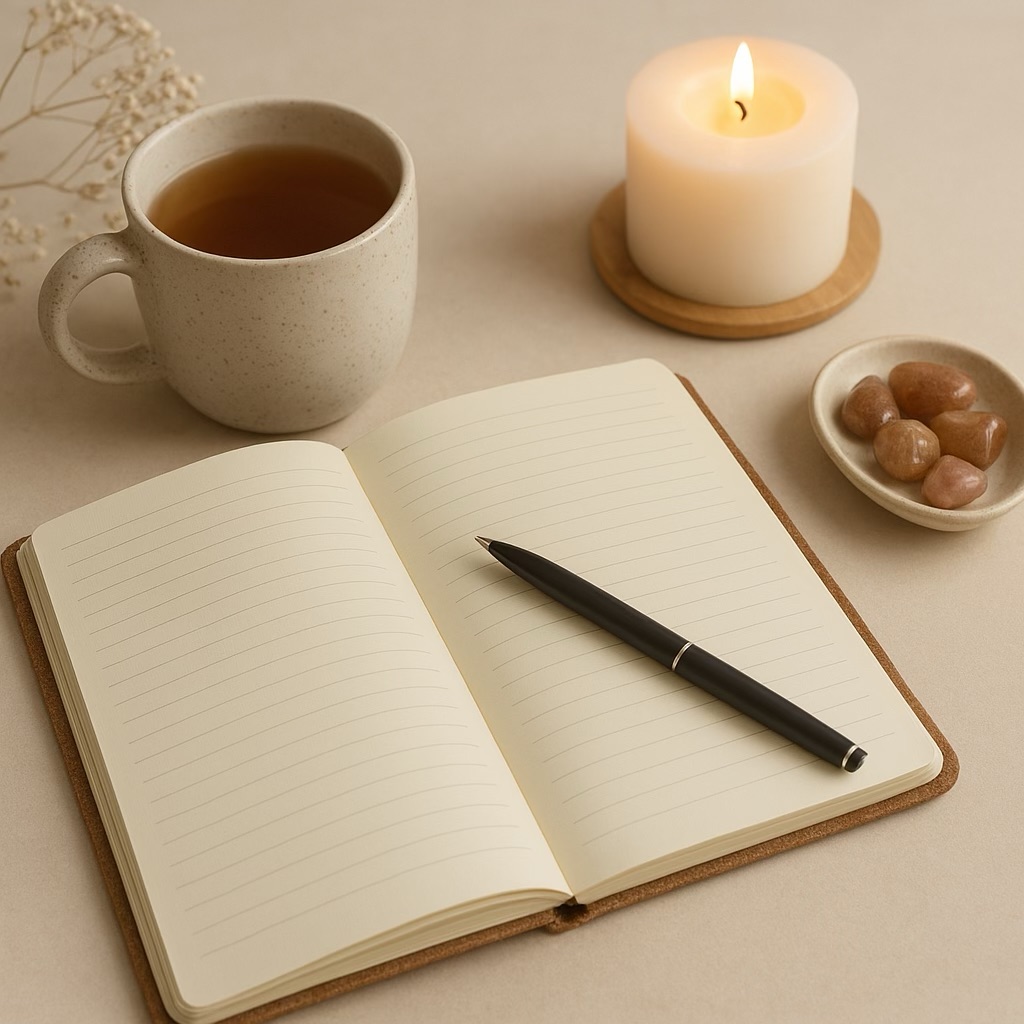
When most people hear the words self-care, they picture bubble baths, sheet masks, candles, and a cozy night scrolling TikTok under a blanket.
While those things can be enjoyable, they often miss the point entirely.
Real self-care isn’t always relaxing. In fact, some of the most impactful forms of self-care are the ones we’d rather avoid.
Self-care is setting boundaries with people who drain your energy.
It’s going to bed on time when you’d rather watch another episode.
It’s taking a walk instead of spending another hour on your phone.
It’s scheduling the doctor’s appointment you’ve been putting off.
It’s organizing your finances, meal planning for the week, cleaning the pile of laundry, or having the difficult conversation that’s been weighing on your mind.
None of those things are particularly glamorous. Most won’t make for an aesthetically pleasing Instagram post. But they create something far more valuable: a life that feels manageable, healthy, and aligned with your values.
The Problem with “Comfort-Only” Self-Care
Many of us have unintentionally redefined self-care as comfort.
Had a stressful day? Scroll social media.
Feeling overwhelmed? Order takeout and binge-watch TV.
Need a break? Spend an hour online.
The problem is that comfort and care are not always the same thing.
Comfort provides temporary relief. Care addresses the root cause.
Doom scrolling might distract you from stress for an hour, but it rarely leaves you feeling energized, focused, or fulfilled afterward. More often, it leaves you feeling drained, anxious, and disconnected from your real priorities.
That’s because true self-care isn’t about escaping your life.
It’s about building a life you don’t constantly need to escape from.
What Real Self-Care Looks Like
Real self-care often involves doing small things today that make tomorrow easier.
It looks like:
- Drinking enough water
- Moving your body regularly
- Creating routines that support your mental health
- Taking breaks before burnout happens
- Protecting your time and energy
- Journaling through difficult emotions
- Spending time with people who make you feel supported
- Following through on commitments you’ve made to yourself
These habits may not provide instant gratification, but they create lasting well-being.
Why Most People Struggle with Self-Care
The truth is that most people don’t need more information about self-care.
They need a system.
They need a way to check in with themselves before they’re completely exhausted.
They need prompts that help them identify what’s actually draining them and what would genuinely help.
Without structure, self-care becomes another vague goal that gets pushed to “someday.”
A Simple Self-Care Reset
If you’ve been feeling overwhelmed, burned out, or disconnected from yourself, try asking:
- What is currently draining my energy?
- What am I avoiding that would improve my life if I addressed it?
- What habits make me feel my best?
- What can I do this week to support my future self?
Sometimes the answer isn’t a spa day.
Sometimes it’s going to bed earlier, taking a walk, setting a boundary, or making a plan.
And that’s okay.
Because self-care isn’t about indulgence.
It’s about maintenance.
It’s about treating yourself like someone worth caring for every day, not just when you’re exhausted.
Ready to Reset?
If you’re looking for a guided way to reconnect with yourself and build healthier habits, check out my Self-Care Reset Workbook on Etsy. It’s designed to help you identify what’s draining your energy, reflect on your current routines, and create a realistic self-care plan that goes beyond face masks and temporary fixes.
Inside, you’ll find thoughtful prompts, reflection exercises, and practical worksheets to help you create lasting changes that support your mental, emotional, and physical well-being.
Because real self-care isn’t something you buy for a weekend, it’s something you practice for a lifetime.
 Howe to Health
Leave a comment